

PMD Alliance’s 5th annual Advanced Therapeutics in Movement & Related Disorders (ATMRD) Congress demonstrated why it has become one of the fastest-growing healthcare provider educational experiences in movement disorders. ATMRD has carved out a unique identity by asking a different question than most neurology conferences: “How do these advances actually improve the lives of people living with movement disorders?”
Throughout four days in Washington, D.C., neurologists, advanced practice providers (APPs), fellows, researchers, industry partners, patients, and care partners gathered around a common purpose—not to simply learn about the next generation of therapies, but to learn how to deliver better care. They’re bringing that knowledge back to leading institutions such as Johns Hopkins, Cleveland Clinic, Mayo Clinic, Yale, Columbia, Washington University, the University of Pennsylvania, NYU, UCLA, the University of Florida, and many others, helping improve movement disorder care nationwide.
Conversations throughout the congress consistently reflected three main themes.
1: The exceptional quality of education.
Once again, ATMRD’s expert faculty delivered. Leaders including Drs. Pagan, Torres-Yaghi, Isaacson, Kremens, Mari, Indu Subramanian, and many others shared practical, immediately applicable education covering advanced therapeutics, infusion therapies, deep brain stimulation (DBS), focused ultrasound, botulinum toxin, hyperkinetic disorders, Parkinson’s disease, ataxias, Lewy body dementia, Huntington disease, and emerging research. Rather than focusing exclusively on theory, ATMRD faculty emphasized real-world implementation and clinical decision-making that participants could bring directly back to their practices.
2: The extraordinary emphasis on patient experience.
This became the defining characteristic attendees returned to again and again in their comments. Rather than treating patients as subjects of discussion, ATMRD placed people living with movement disorders and care partners alongside clinicians as experts. And their lived perspectives really shined in experiential sessions like:
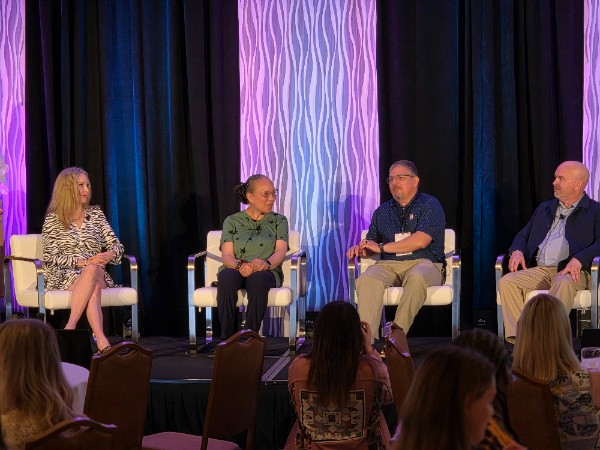
- the Empathy in Action Dinner,
- the patient panel following the What I Didn’t Say play performance,
- Ryan Reynolds’ discussion about the hallucinations and delusions experienced by his father,
- and the Family Feud session built from PMD Alliance audience survey results.
These conversations centered on empathy, communication, wellness, and quality of life reminded participants that every therapeutic decision ultimately serves a person, not simply a diagnosis. Numerous attendees described these moments as the most memorable and transformative experiences of the congress.
3: A palpable sense of community.
ATMRD fostered collaboration across specialties and experience levels, creating an environment where learning extended well beyond the lecture hall. Many attendees spoke less about individual lectures and more about the relationships formed among physicians, APPs, fellows, industry leaders, patient advocates, and multidisciplinary care teams.
ATMRD also prioritized provider well-being through our CAMP-FiRE program. Burnout among movement disorder specialists is a real issue, and providers are navigating many of the same challenges within today’s healthcare system that patients experience from a different perspective. CAMP-FiRE connects the next generation of movement disorder specialists with expert mentors, helping ensure more doctors enter the field at a critical time.
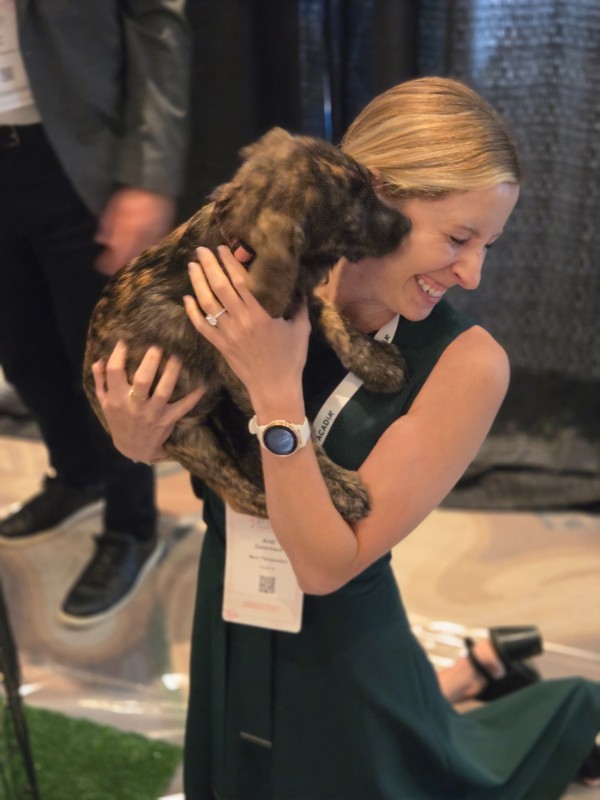
Perhaps the clearest measure of ATMRD’s success wasn’t found in any single presentation. It was reflected in the language attendees used afterward. Many described leaving energized rather than exhausted, inspired rather than overwhelmed, and reminded why they entered the field of movement disorders in the first place. Providers repeatedly emphasized renewed passion for patient care, meaningful human connections, and practical knowledge they could immediately apply to improve outcomes. The exhibit hall buzzed with powerful conversations throughout the congress, the poster hall showcased groundbreaking research, and everyone had the opportunity to experience the healing magic of therapy puppies.
ATMRD 2026 reinforced an idea that has become central to the congress’s identity: the newest technologies, groundbreaking research, and evolving treatments matter most when they are paired with empathy, listening, collaboration, and a deep understanding of the lived experience of movement disorders.
See our photo album below and enjoy the more coverage from NeurologyLive here.
